
$47.50 Autoship

$47.50 Autoship
















Interactive and Puzzle Toys for Dogs
Because a Tired Dog Isn’t Always an Exercised Dog
A lot of dog owners focus heavily on physical exercise: walks, fetch, running, dog parks.
But many dogs — especially intelligent, high-energy, or working breeds — are actually lacking mental stimulation more than physical activity.
That’s where interactive toys completely change the game.
Puzzle toys, enrichment feeders, burrow toys, and treat-dispensing toys challenge dogs to:
- think
- problem solve
- search
- sniff
- manipulate objects
- work for rewards
And for many dogs, 20 minutes of mental enrichment can be just as valuable as a much longer walk.
This collection brings together some of the best interactive dog toys available in Canada from brands like:
Whether your dog loves food puzzles, plush hide-and-seek games, or enrichment toys that slow them down and keep them occupied, these toys are designed to engage the brain — not just the body.
The Four Main Types of Interactive Dog Toys
Not all enrichment toys work the same way.
One of the biggest mistakes dog owners make is assuming every puzzle toy fits every dog. In reality, different toy styles stimulate completely different behaviours.
1. Food Puzzle Toys
These toys require dogs to:
- slide pieces
- lift compartments
- spin layers
- uncover hidden treats
Best for:
- highly intelligent dogs
- food-motivated dogs
- rainy day enrichment
- dogs that get bored easily
Featured Brand: Nina Ottosson Outward Hound
Nina Ottosson puzzles are some of the most recognized dog brain games in the world because they progressively challenge dogs through different difficulty levels.
Toys like:
encourage real problem-solving rather than random chewing or pawing.
2. Treat-Dispensing Toys
Instead of instantly rewarding dogs, these toys make dogs work for food through:
- rolling
- licking
- pawing
- nudging
- chewing
This slows down consumption while extending engagement time dramatically.
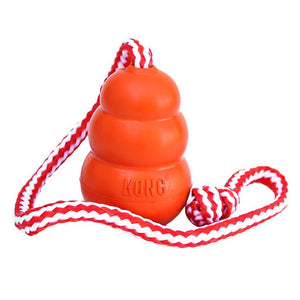
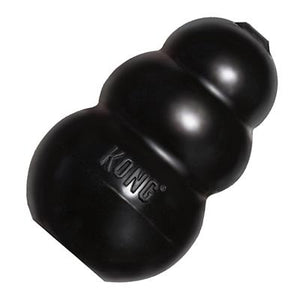
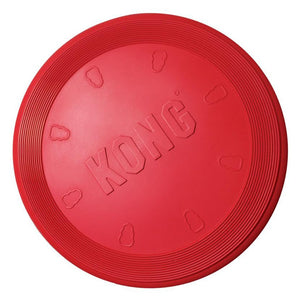
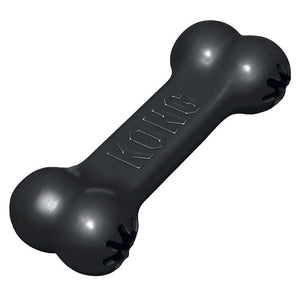
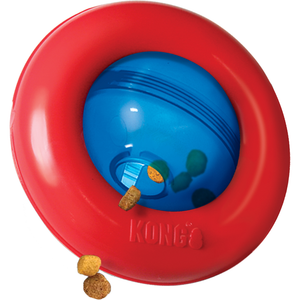
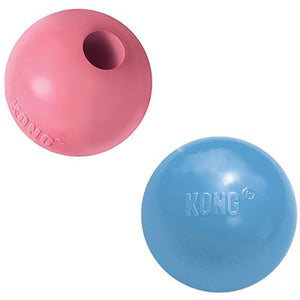
Featured Brand: KONG
KONG helped pioneer enrichment-style feeding with toys like:
These toys create unpredictable movement, which keeps dogs mentally engaged much longer than standard feeding bowls or basic chew toys.
Many owners also use them for:
- crate training
- separation anxiety support
- slowing down fast eaters
- independent enrichment time
3. Burrow & Hide-and-Seek Toys
This category taps directly into:
- hunting instincts
- scent work
- digging behaviour
- retrieval behaviour
Dogs remove smaller toys hidden inside larger plush toys, turning play into a searching game.
Featured Brand: ZippyPaws
ZippyPaws essentially made burrow toys mainstream.
Popular designs like:
encourage dogs to:
- search
- remove toys
- repeat the game over and over
This style of enrichment works especially well for:
- smaller dogs
- indoor play
- dogs that love plush toys
- dogs that enjoy repetitive “working” behaviour
4. Licking & Calming Enrichment Toys
Licking is naturally soothing for many dogs.
That’s why enrichment toys designed around licking and frozen treats have become so popular in modern dog routines.
Featured Brand: Woof
The Woof Pupsicle is designed to hold:
- frozen fillings
- treats
- enrichment recipes
- long-lasting rewards
Unlike fast treat dispensing, licking toys encourage:
- calm focus
- slower engagement
- quieter enrichment sessions
These work extremely well for:
- downtime
- crate time
- calming routines
- overstimulated dogs
- hot weather enrichment
Why Enrichment Matters More Than Most People Realize
A bored dog doesn’t usually stay bored quietly.
Mental understimulation often shows up as:
- chewing furniture
- pacing
- barking
- stealing objects
- hyperactivity
- inability to settle
Interactive toys help redirect that energy into something productive.
That’s especially important for:
- herding breeds
- sporting breeds
- puppies
- adolescent dogs
- intelligent working breeds
Enrichment gives dogs an outlet for natural behaviours many modern lifestyles don’t otherwise satisfy.
Choosing the Right Puzzle Difficulty
One of the biggest reasons dogs “fail” puzzle toys is because owners accidentally start too hard.
Interactive toys should build confidence first.
Beginner Dogs
Start with:
- treat-dispensing toys
- easy sliders
- simple burrow toys
Intermediate Dogs
Move into:
- rotating puzzles
- layered compartments
- toys requiring multiple actions
Advanced Problem Solvers
Look for:
- multi-step puzzles
- locking systems
- advanced Nina Ottosson games
The goal isn’t frustration.
The goal is successful engagement.
Interactive Toys vs Standard Dog Toys
| Standard Toys | Interactive Toys |
|---|---|
| Primarily physical play | Physical + mental stimulation |
| Shorter engagement time | Longer occupation |
| Passive entertainment | Active problem solving |
| Usually predictable | Dynamic and reward-based |
| Great for quick play | Better for enrichment routines |
Both matter — but interactive toys fill a completely different need.
Which Interactive Toy Is Best for Your Dog?
For Food-Motivated Dogs
KONG treat dispensers and Nina Ottosson puzzles usually work best.
For Dogs That Love Plush Toys
ZippyPaws burrow toys create interactive enrichment without requiring food rewards.
For High-Energy Intelligent Dogs
Advanced puzzle toys help redirect mental energy constructively.
For Puppies
Simpler enrichment toys build confidence and encourage independent play.
For Dogs That Need Calming Activities
Licking toys like the Woof Pupsicle are excellent for slower, more soothing engagement.
Why These Toys Have Become So Popular
Dog owners today are thinking differently about enrichment.
The focus is shifting away from:
“how many toys does my dog have?”
toward:
“how mentally engaged is my dog actually staying?”
That’s why interactive toys have exploded in popularity.
They:
- extend playtime
- reduce boredom
- encourage problem solving
- create healthier routines
- help dogs settle more effectively afterward
For many households, enrichment toys quickly become some of the most-used products they own.
Why Buy Interactive Dog Toys from Brindle Pet Supplies
- Fast shipping across Canada
- Carefully selected enrichment-focused toy brands
- Beginner through advanced puzzle options
- Interactive toys for puppies, adults, and senior dogs
- Trusted brands like KONG, Nina Ottosson, ZippyPaws, and Woof
Frequently Asked Questions
Are puzzle toys good for dogs?
Yes. Puzzle toys provide mental stimulation and encourage problem-solving behaviour, which can help reduce boredom and destructive habits.
What are the best puzzle toys for beginners?
Simple treat dispensers and beginner-level Nina Ottosson puzzles are excellent starting points.
Are interactive toys good for puppies?
Absolutely. Puppies benefit heavily from mental stimulation and reward-based enrichment.
Can enrichment toys help with boredom?
Yes. Interactive toys are specifically designed to help occupy dogs mentally and reduce understimulation.
What’s the difference between a puzzle toy and a treat dispenser?
Puzzle toys typically require more structured problem solving, while treat dispensers focus more on movement and reward release.
Better Enrichment Creates Better Everyday Behaviour
Interactive toys aren’t just “extra entertainment.”
They help dogs:
- think
- focus
- self-regulate
- problem solve
- engage natural instincts
Whether your dog loves food puzzles, plush burrow toys, licking enrichment, or treat-dispensing games, the right interactive toy can completely change how they experience playtime — and how calm and fulfilled they feel afterward.