



















Cat Grooming Supplies for Healthy Coats, Claws & Skin
Cats may be dedicated self-groomers, but they can still benefit from a little help. Regular cat grooming can help manage loose hair, prevent tangles, maintain comfortable nails, and keep the skin and coat clean—while giving you an opportunity to notice changes that might otherwise be easy to miss.
At Brindle Pet Supplies, you'll find cat grooming supplies for everyday at-home care, including cat brushes and grooming tools, nail clippers and nail-care essentials, shampoos, conditioners, and coat-care products. Whether you share your home with a short-haired cat that sheds constantly, a long-haired cat prone to tangles, or a kitten learning to tolerate their first nail trim, the right tools can make grooming simpler and more comfortable.
What Grooming Supplies Does Your Cat Need?
A basic cat grooming kit doesn't need to be complicated. For most cats, start with a brush suited to their coat, a pair of cat nail clippers, and gentle cat-specific bathing products for the occasions when a little extra cleaning is needed.
Quick takeaways:
- Brushes and grooming tools help remove loose hair and maintain the coat.
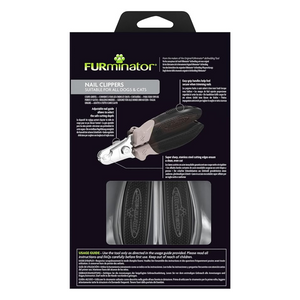
- Cat nail-care supplies make routine claw trimming easier at home.
- Cat shampoo is useful when your cat needs more cleaning than self-grooming can provide.
- Conditioners and coat-care products can help maintain softness and manageability when appropriate.
- Long-haired, thick-coated, senior, and heavy-shedding cats may need more grooming assistance than other cats.
- Introduce grooming gradually and keep sessions short and positive.
Essential Cat Grooming Supplies
| Grooming Category | Best For | When to Use |
|---|---|---|
| Cat Brushes & Combs | Shedding, tangles & coat maintenance | Regularly according to coat type |
| Cat Nail Care | Maintaining comfortable claw length | As nails become long or sharp |
| Cat Shampoo | Dirt, grease & occasional messes | As needed |
| Cat Conditioner | Coat softness & manageability | During or after bathing as directed |
Shop Cat Grooming Supplies by Need
Cat Brushes & Combs
Even cats that groom themselves thoroughly can benefit from regular brushing.
A good cat brush or comb helps collect loose and dead hair before your cat swallows it during self-grooming. Brushing can also help prevent tangles and mats, particularly in long-haired cats, while reducing the amount of loose fur that ends up around your home.
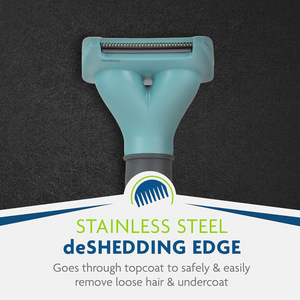
Different coats need different grooming tools. Short-haired cats may prefer a gentle rubber brush or deshedding tool, while thick and dense coats may benefit from a grooming rake. Long-haired cats typically need more frequent brushing and careful attention to areas prone to tangling.
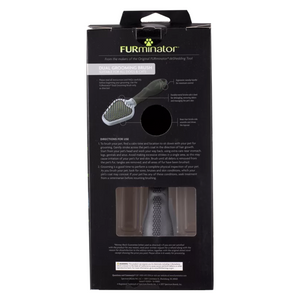
At Brindle, you'll find cat grooming tools from trusted brands including FURminator and KONG, with options for everyday brushing, shedding, and deeper coat maintenance.
Cat Nail Care
Regular nail trimming is an important—but sometimes overlooked—part of feline grooming.
Keeping your cat's claws at a comfortable length can help prevent excessively long or hooked nails and reduce accidental scratches. Nail maintenance becomes particularly important for senior or less-active cats whose claws may not wear down as effectively through everyday scratching and activity.
Choose cat nail clippers designed to give you good control, and trim only the pointed tip while avoiding the quick inside the nail.
If your cat isn't comfortable with nail trims yet, don't try to finish every claw in one sitting. Handling their paws regularly and trimming one or two nails at a time can make the process much easier to introduce.
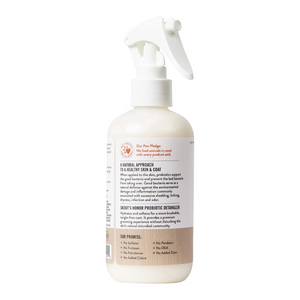
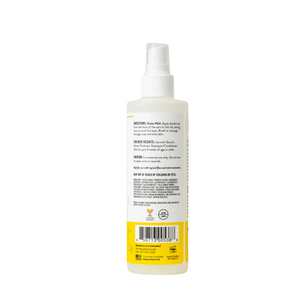
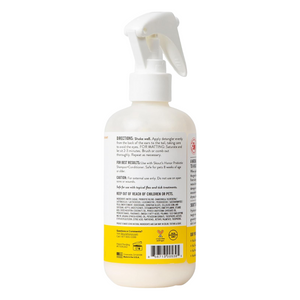
Cat Shampoo & Conditioner
Most healthy cats rarely need a traditional bath, but there are times when self-grooming isn't enough.
A cat shampoo can be useful when your cat gets into something dirty, sticky, greasy, or particularly smelly. Bathing may also occasionally be helpful for cats that have difficulty grooming themselves because of age, coat type, body condition, or mobility.
Always choose grooming products formulated for cats rather than reaching for your own shampoo. Feline skin has different needs, and products made for people—or products containing ingredients inappropriate for cats—shouldn't be substituted for cat-specific grooming formulas.
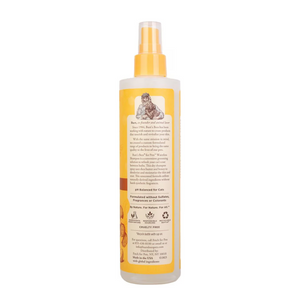
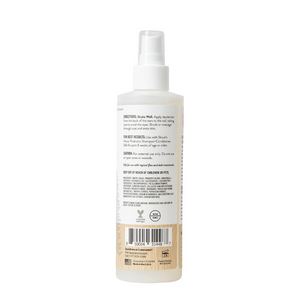
Cat conditioners and other coat-care products can provide additional softness and manageability when needed, particularly for longer coats.
Shop Cat Shampoo & Conditioner →
Brindle Recommends: Build a Simple Cat Grooming Kit
You don't need an overflowing grooming cupboard to take good care of your cat.
For most households, we'd start with three essentials:
-
A coat-appropriate brush or comb
Choose based on your cat's coat length, density, and shedding level. -
Cat nail clippers
Keep them somewhere easy to reach so nail trims can happen when your cat is relaxed rather than becoming a major grooming event. -
A gentle cat shampoo
You may not need it often, but it's much better to already have an appropriate shampoo when your cat unexpectedly needs a bath.
Long-haired or particularly grooming-intensive cats may benefit from additional tools, but these three categories provide a practical foundation for most at-home routines.
How to Groom Your Cat at Home
Start With Brushing
Regular brushing is one of the easiest grooming habits to establish.
Begin when your cat is relaxed and brush in the natural direction of hair growth. Keep sessions short at first, particularly if your cat isn't accustomed to being groomed.
Pay attention to areas where tangles tend to develop, but don't aggressively pull through resistance. Tight mats close to the skin are safer for an experienced groomer or veterinary professional to address.
Check the Claws
Gently press your cat's paw pad to extend each claw and check its length.
When trimming is needed, remove only the sharp tip and avoid the pink quick visible inside lighter-coloured nails. If you're unsure where to cut, your veterinarian or groomer can demonstrate proper technique.
Bathe Only When Needed
Unlike dogs, most cats don't need scheduled baths simply because a certain number of weeks have passed.
If a bath is necessary, prepare everything beforehand. Use lukewarm water, a cat-appropriate shampoo, and a secure surface so the process can be completed efficiently without unnecessary stress.
Make Grooming Routine
One of the best things you can do is make handling normal before grooming becomes necessary.
Regularly touching your cat's paws, gently examining their ears, and running your hands through their coat can make future brushing, nail trims, and other care considerably easier.
Cat Grooming by Coat Type
Short-Haired Cats
Short-haired cats generally require less coat maintenance, but they still shed. Regular brushing with a gentle grooming or deshedding tool can collect loose hair and help keep the coat tidy.
Long-Haired Cats
Long-haired cats typically require more frequent brushing because their coats are more susceptible to tangles and matting.
Consistency matters here. A few minutes of gentle brushing each day can be much easier for both you and your cat than dealing with established mats later.
Thick & Dense Coats
Cats with thick coats may shed substantial amounts of undercoat, particularly during seasonal changes.
A grooming rake or appropriate deshedding tool can help reach loose hair deeper within the coat, while an everyday brush can handle routine maintenance.
Senior Cats
Senior cats sometimes need more grooming help than they did when they were younger.
Changes in flexibility, mobility, or activity can make certain areas more difficult to reach during self-grooming. Regular brushing and nail checks allow you to provide a little extra assistance while also keeping an eye on changes in their skin, coat, paws, and body.
Why Regular Cat Grooming Matters
Grooming isn't simply about making your cat look tidy.
Regular coat care helps remove loose hair, prevent tangles, and reduce the amount of fur swallowed during self-grooming. Nail maintenance keeps you aware of claw length, while occasional bathing and coat care can help when your cat isn't able to keep themselves completely clean.
Grooming sessions are also an opportunity to become familiar with what's normal for your cat.
As you brush and handle them, you may notice new lumps, skin irritation, sensitive areas, unusual hair loss, fleas or ticks, overgrown nails, or changes in coat condition. Anything unusual or persistent is worth discussing with your veterinarian.
How Often Should You Groom Your Cat?
There's no single schedule that works for every cat.
Short-haired cats may only need brushing once or twice per week, while long-haired or tangle-prone cats can benefit from much more frequent brushing.
Nails should be checked regularly and trimmed when they become long or sharply hooked rather than according to a rigid schedule.
Bathing is generally an as-needed task for healthy cats rather than something that needs to happen every few weeks.
Your cat's coat, lifestyle, age, shedding level, and ability to groom themselves are better guides than the calendar.
Frequently Asked Questions About Cat Grooming
What grooming supplies do I need for a cat?
A basic cat grooming kit should include a brush or comb suited to your cat's coat, cat nail clippers, and a gentle cat-specific shampoo for occasional bathing. Long-haired or heavy-shedding cats may benefit from additional tools such as grooming rakes or deshedding tools.
Do cats need to be groomed if they groom themselves?
Yes, although the amount of help they need varies. Brushing removes loose hair and helps prevent tangles, while nail trimming and occasional bathing address grooming needs cats can't always manage entirely on their own.
How often should I brush my cat?
Many short-haired cats do well with brushing once or twice per week, while long-haired, thick-coated, or heavy-shedding cats may need much more frequent grooming. Increase the frequency if you're noticing loose hair or tangles developing between sessions.
Does brushing a cat help with shedding?
Yes. Brushing collects loose hair directly from the coat before it falls around your home or is swallowed during self-grooming. A deshedding tool can provide additional help for cats that shed heavily.
Can brushing help reduce hairballs?
Regular brushing can reduce the amount of loose fur your cat swallows while grooming, which may help with hairball management. It won't necessarily eliminate hairballs entirely, particularly in cats that shed heavily.
Do indoor cats need their nails trimmed?
Many do. Scratching surfaces help maintain claws, but they don't necessarily keep every cat's nails at an ideal length. Regularly inspect the claws and trim the sharp tips when needed, paying particular attention to senior and less-active cats.
How often should I bathe my cat?
Most healthy cats don't require routine baths on a fixed schedule. Bathing is generally appropriate when your cat becomes unusually dirty, greasy, or gets something on their coat that they shouldn't ingest through self-grooming.
Can I use dog shampoo on my cat?
Only use a product on your cat if the manufacturer specifically states that it is suitable for cats. Dogs and cats have different sensitivities, and some ingredients that are appropriate for dogs may not be appropriate for feline use.
What is the best brush for a cat?
That depends on coat type. Rubber brushes are useful for gentle grooming, deshedding tools target loose undercoat, and grooming rakes can help maintain thicker coats. Long-haired cats may need a combination of brushing and combing.
What should I do if my cat hates being groomed?
Start with very short sessions when your cat is already relaxed. Introduce one tool at a time, use gentle handling, and stop before your cat becomes frustrated. Gradually building tolerance is usually much more successful than trying to complete an entire grooming routine at once.
Shop Cat Grooming Supplies in Canada
From everyday brushing and regular nail trims to the occasional bath, having the right cat grooming supplies on hand makes routine care much easier.
Explore cat grooming products at Brindle Pet Supplies and shop cat brushes and combs, nail-care essentials, shampoos, conditioners, and coat-care products for kittens, adults, seniors, short-haired cats, and long-haired cats.